© Jasper Wessel
Creating Knowledge Together
Julia Gantenberg on participatory research
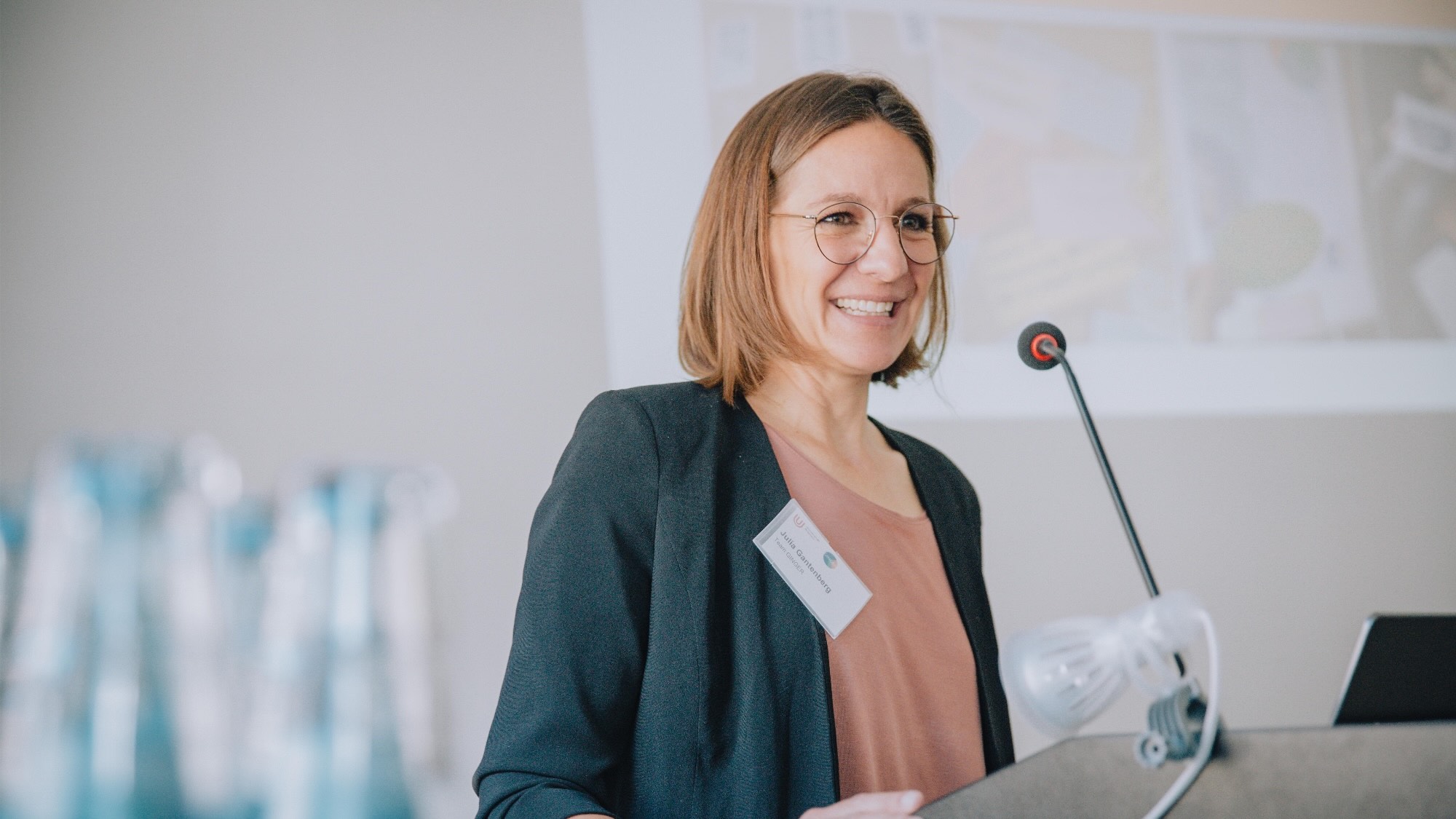
There is a growing recognition that involving the public in research makes it more relevant, accessible, and grounded in everyday life. It also fosters a greater understanding of scientific principles and methods. That is why the University of Bremen’s UniTransfer office appointed Julia Gantenberg as a dedicated contact person for participatory research and public engagement. In an interview with up2date., she discusses her role, highlights the university’s strong foundation in this area, and explains why Bremen is uniquely suited for participatory research.
Ms. Gantenberg, what are areas of research at the University of Bremen where students and volunteers can currently get involved?
With all the many opportunities and formats already in place, I could go on at length. The Institute of Anthropology and Cultural Research, for example, runs the ForschungswerkStadt Bremen-Gröpelingen. This initiative doesn’t conduct research about people, but does research with them, in the form of storytelling cafés and neighborhood workshops. Another example is MARUM’s BlueDOT project, where recreational and professional divers help collect data in the Mediterranean Sea to study rising ocean temperatures and marine heatwaves. Citizen science has a long tradition in the geosciences. The Geosciences Collection, led by Professor Jens Lehmann, has been collaborating with research enthusiasts for decades. These examples demonstrate that participatory research and public engagement are both possible and meaningful across a variety of scientific fields.
What is your role in supporting this?
I advise researchers, outreach officers, and communicators from various faculties and research areas on this topic. Some are curious and looking for suitable ideas, strategies, and formats. Together, we consider which civic members could be involved and how. Participatory research can involve many things. For instance, these individuals could collect research data or participate in panel discussions. Another key venue for public engagement in Bremen is the Banking Hall at Forum at Domshof, a vibrant cultural space in the city center where public lectures, workshops, and exhibits are regularly held. I work closely with researchers to identify suitable topics and design events that encourage participation. I also help them find relevant training opportunities on topics such as evaluation, ethics, and legal issues.
Funding agencies like the German Federal Ministry of Research, Technology and Space, as well as the Volkswagen Foundation have also recognized the value of participatory research and public engagement and now offer dedicated funding programs. I advise researchers on these calls for proposals and help them find partners outside the university, such as businesses, organizations, or associations.
Throughout the entire process, from brainstorming and submitting proposals to project implementation, it makes sense to connect with those working on similar projects. That’s why I organize events to bring together people interested in and active in this field.
© Jasper Wessel
What kinds of events do you organize?
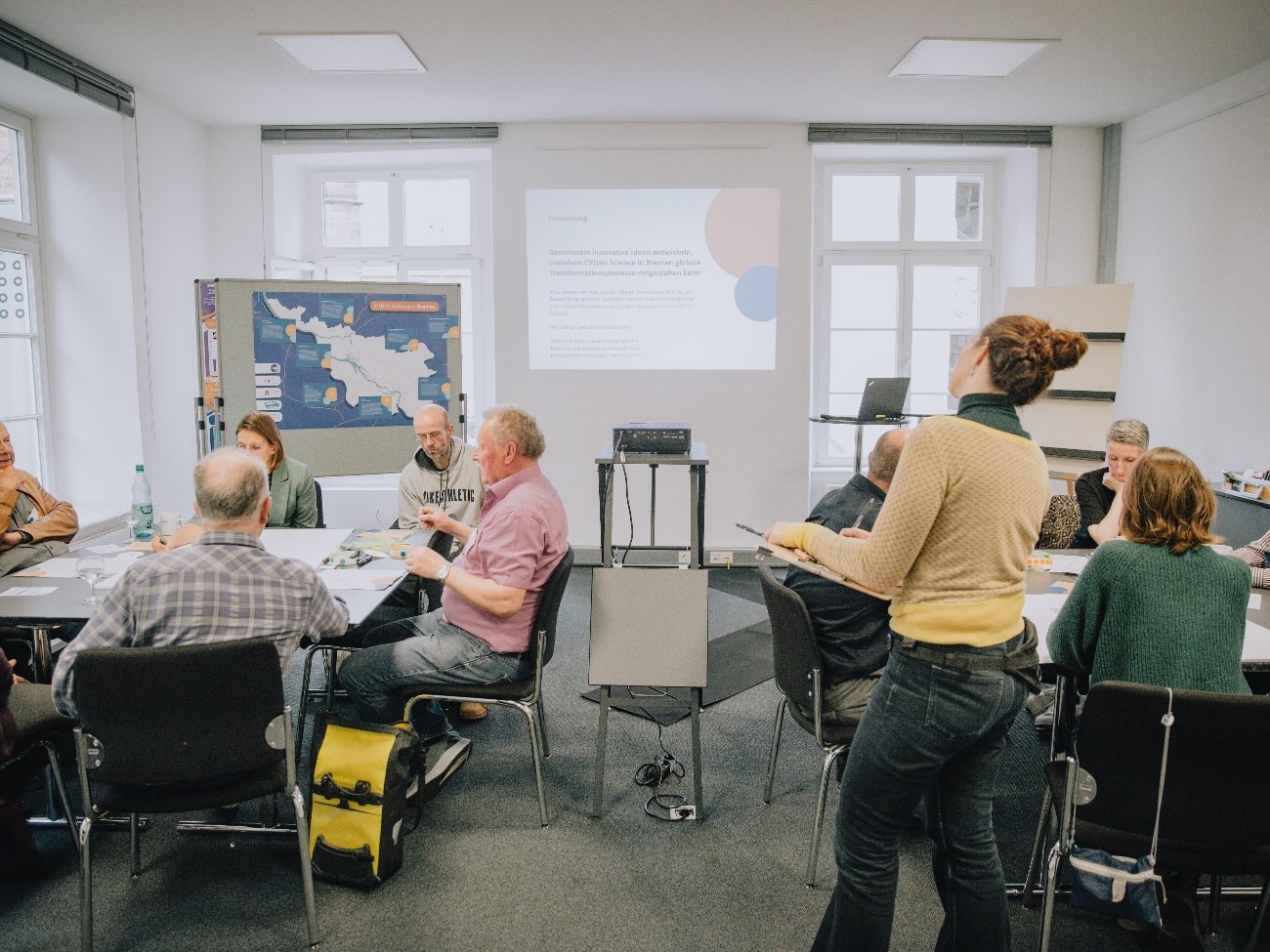
One example is the PEERForm project. PEERForm is funded by “mit:forschen! Gemeinsam Wissen schaffen,” a collaboration between “Wissenschaft im Dialog” and the Museum für Naturkunde Berlin. The goal is to build a network of University of Bremen researchers who are interested in or already active in participatory research and public engagement. In April, we will hold a kickoff workshop to determine the network’s structure and how peer-to-peer counseling and regular meetings will be conducted. The goal is to increase the visibility of people and activities in this field and encourage more researchers to engage in participatory research.
What makes participatory research and public engagement special in Bremen?
Since its founding, the University of Bremen has sought close ties with the local community, so awareness and interest in participatory research are particularly strong here. This is evident in the many researchers who are already active in this field. As a city-state, Bremen’s short distances offer ideal conditions for this. Familiarity and connections between associations, businesses, and the political scene are already in place. These are ideal conditions for strengthening and expanding participatory research and public engagement.
Further information
UniTransfer (in German only)