© Annemarie Popp / Universität Bremen
Excellence in Teaching Prize: Keep Trying Something New
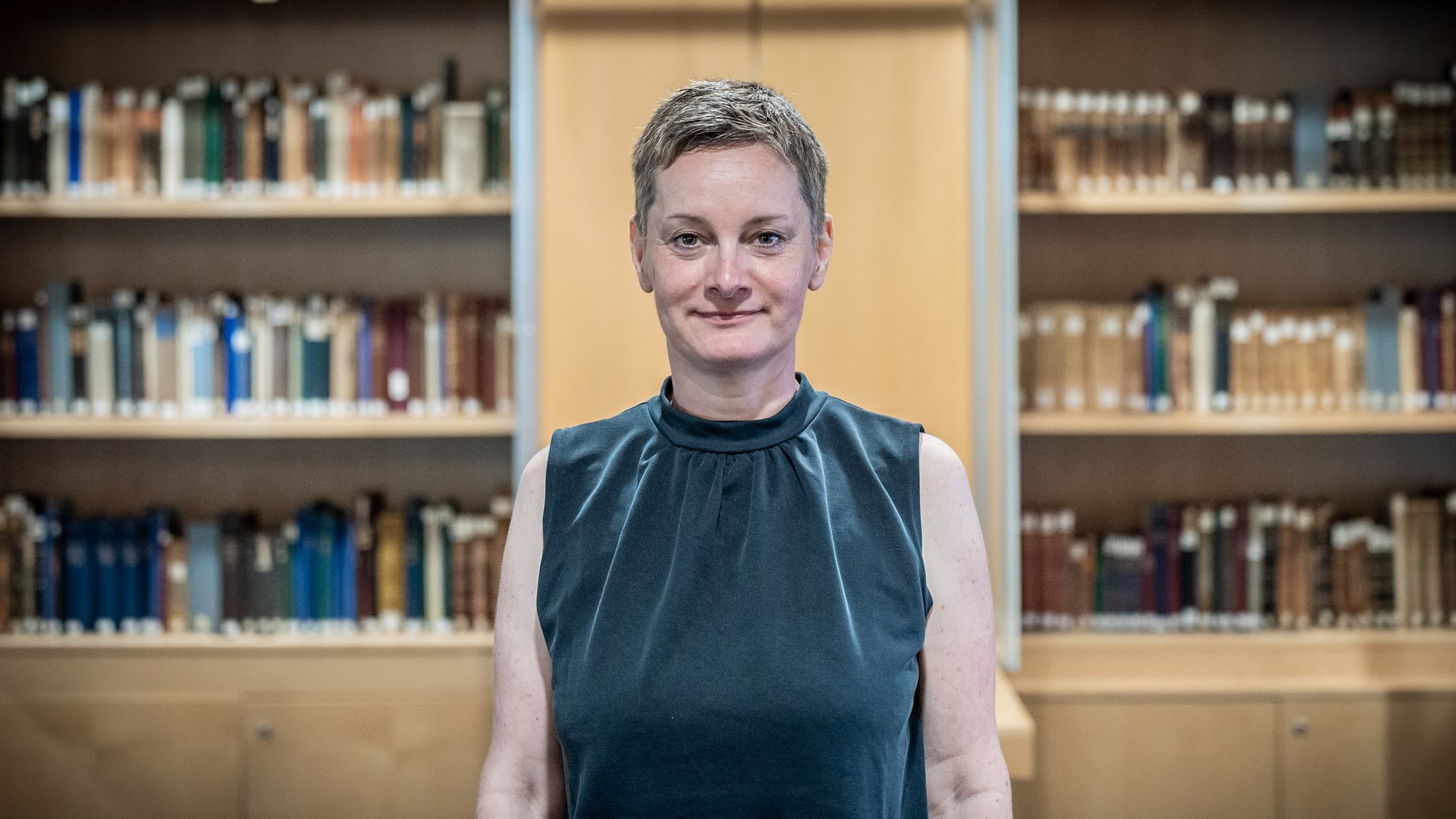
PD Dr. Barbara Aehnlich received the Berninghausen Prize in 2025 and talked to us about her teaching philosophy
Hands-on, interdisciplinary, and accessible: Dr. Aehnlich received the University of Bremen’s 2025 Berninghausen Prize in the “Excellence in Teaching” category for her course series on Bremen’s municipal law, standing out among 172 nominees. One outcome of the linguist’s seminar series was an exhibition organized by students. In an interview with up2date., Barbara Aehnlich shared what she prioritizes in her teaching and what the award means to her personally. Teaching staff members at the University of Bremen can still be nominated for this year’s Berninghausen Prize until July 30, 2026.
Dr. Aehnlich, you work as a lecturer in the Faculty of Linguistics and Literary Studies (Faculty 10) and focus on the history of the German language, including the origins of names and historical legal language. What is particularly important to you in your teaching?
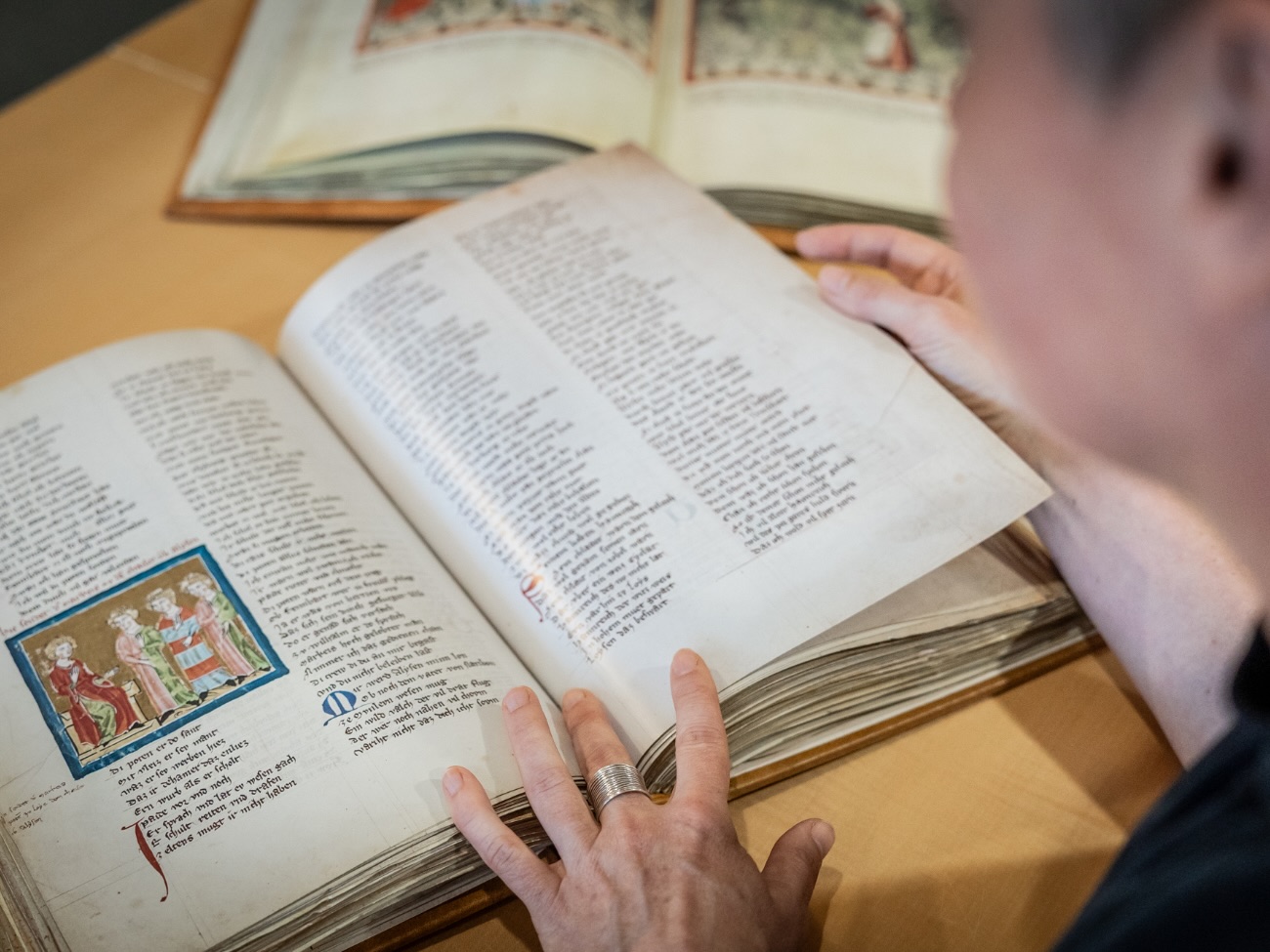
The most important goal for me is to spark students’ interest by incorporating a strong practical component. In my experience, there is often a barrier when it comes to working with older varieties of language. That is why I have students work directly with historical documents and apply current research methods to make the material accessible. I also place great value on fostering self-efficacy. Everyone should be met where they are. Academic achievements shouldn’t consist solely of written exams and term papers; they should also have an impact on academia or society, for example by way of an exhibition. Outcomes like these leave a longer-lasting impression on students.
You received the Berninghausen Prize in 2025, in part for this exhibition and the accompanying course series on Bremen’s municipal law. What did the course series entail?
During the first two seminars, we examined copies of Bremen’s municipal law dating back about 700 years. These documents were written in Middle Low German and had not previously been analyzed by scholars. Our goal was to make this material accessible to researchers and the public while also gaining insights into how Bremen was organized in the past. With the help of the State and University Library Bremen (SuUB) and a tool provided by the library, the students digitalized, translated, and analyzed the manuscripts. In the third seminar, we created an exhibition based on these transcriptions. I was impressed by how creatively the students developed the concept and for example designed the display cases. At the exhibition opening in October 2025, I was delighted to see how they had risen to the challenge and presented their results to the public, as well as to their family and friends.
© Annemarie Popp / Universität Bremen
What principles guide your teaching?
For me, teaching is always about collaboration. That’s why I treat students as equals and respond to their interests. I incorporate current research methods and use research-based learning where it makes sense. I also make my lectures interactive by assigning small tasks and taking questions throughout.
I value feedback, both through evaluation forms and directly in the seminar. It’s important to me that students feel they can give honest feedback. Building a relationship based on trust is essential for this.
In addition, I try something new every semester. In the Bremen municipal law seminar, for instance, I wanted to see if a three-semester course with changing student groups could culminate in a joint exhibition. It was time-consuming but also very insightful. In the age of AI, we teachers are constantly looking for new teaching and examination formats.
Do you already have an idea which format you’d like to try next?
In my seminar on digital onomastics (the study of names) students are developing a name-based city tour of Bremen for the conference “Onomastics in the Digital Age”, which is organized by the Society for Name Research. They are also creating academic posters that they will present to the approximately 70 conference participants in September. This is my way of introducing interested students to the field of research early on. Organizing and conducting a city tour as part of a course is also new territory for me. I’m sure I’ll learn a thing or two in the process.
“At the University of Bremen, you can really feel that teaching is highly valued.” Barbara Aehnlich
What does the award mean to you personally?
It is truly flattering and is a great recognition of my work. At the same time, it motivates me to continue trying new things in the future. Some of my students were at the ceremony too, which really moved me. Of course, it also creates pressure because the extra effort isn’t reflected in my teaching load. Nevertheless, the joy of this recognition outweighs everything else for me. The Berninghausen Prize is a wonderful way to honor outstanding teaching, which is quite special. At the University of Bremen, you can really feel that teaching is highly valued.
Berninghausen Prize for Excellence in Teaching
Since 1991, the University of Bremen and the “unifreunde” Association of the Friends of the University of Bremen and the Constructor University have awarded the prize donated by the Berninghausen family annually to honor outstanding performance and creativity in university teaching. The award is endowed with 6,000 euros and split between the categories “Excellence in Teaching” and “Student Choice.” Nominations for the 2026 award can be submitted via the online form until July 30.