© privat
From Solar Panels to Digital Learning
How an international project supports digital education in Kenyan schools
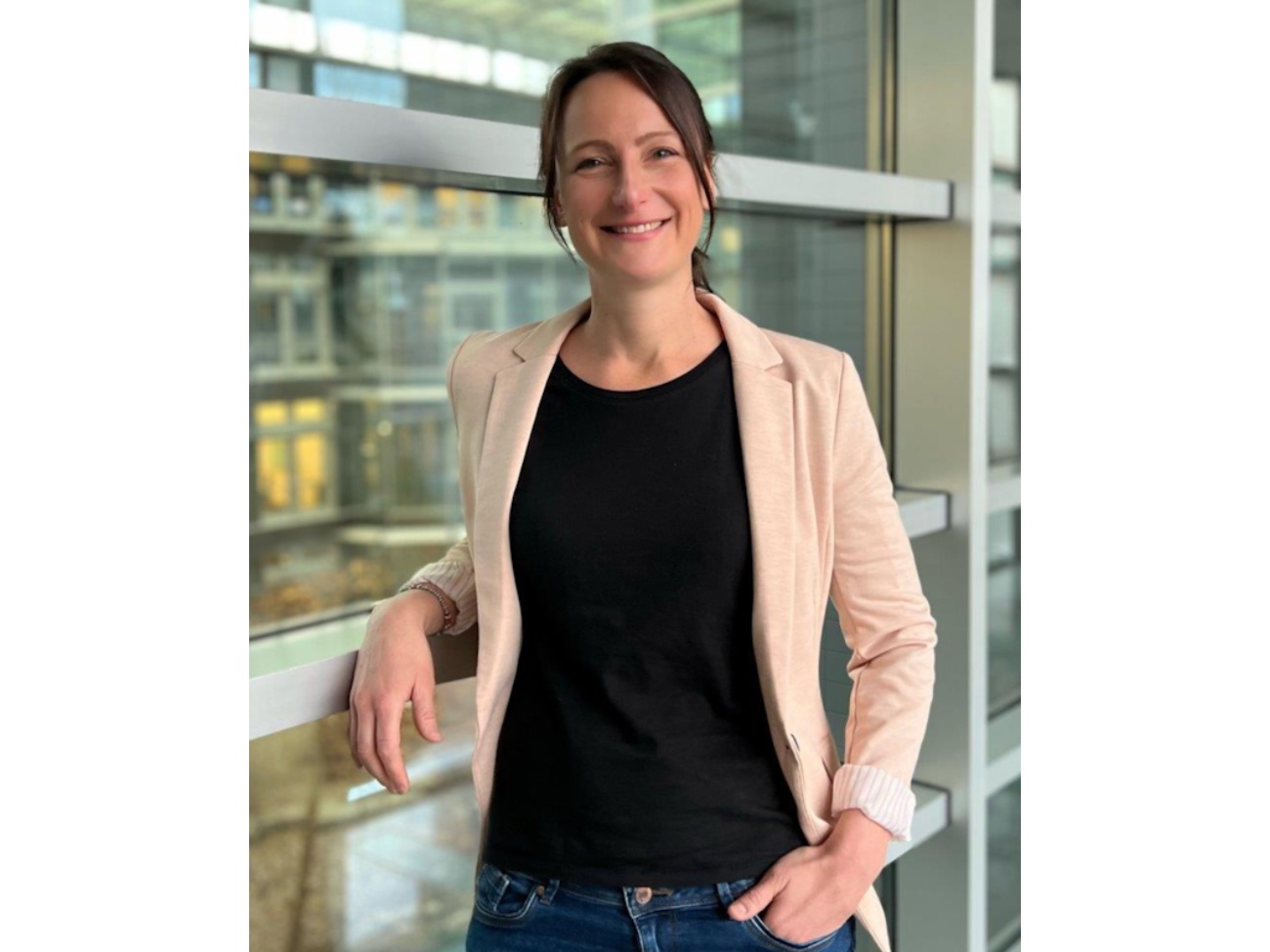
Teaching youth to use digital media is a goal in German curricula and in Kenya as well. Yet the conditions for achieving this vary significantly. In some regions of Kenya, digital infrastructure is well developed, but in others, especially rural areas, electricity supply is unreliable and the access to digital devices is limited. This is where the project DEVISE4KENIA took shape, coordinated by Dr. Vivian Harberts and Peter Kaune from the University of Bremen’s Institute Technology and Education (ITB), in collaboration with international partners. Their goal is to develop structures and teaching methods for digital education at three schools in the Homa Bay region of Kenya. In an interview with up2date., Vivian Harberts explains how the project worked.
Dr. Harberts, how did the project come about?
The impetus for this project came from Kenya’s Competency-Based Curriculum, introduced by the Ministry of Education in 2017. This curriculum emphasizes critical thinking, communication, self-efficacy, as well as digital skills – such as using tablets and computers and conducting independent online research. However, implementation varies greatly by region. While the curriculum can be implemented smoothly in cities like Nairobi, rural areas like Homa Bay face challenges with electricity and access to digital devices. One of the schools already had a longstanding partnership with Maristak Durango, a Spanish vocational training organization. This connection inspired the idea of supporting schools in implementing the Competency-Based Curriculum, with a special focus on digital skills and linking learning to real-world work experience. From this vision, the EU-funded project DEVISE4KENIA emerged. I coordinated the project on behalf of the ITB. Partners included Maristak Durango, Warnborough College Ireland, Rongo University in Kenya, and three secondary schools serving youth aged 10 to 16. Eight additional associated partners also joined. The project began in 2023 and is now in its final year.
© privat
How was the project implemented?
We started by talking directly with school teachers and principals. The entire project was built around their needs and priorities. They emphasized the need for reliable electricity, training in using digital devices and media, and support in implementing the curriculum. We also consulted local businesses, since the schools prepare older students for vocational training and employment.
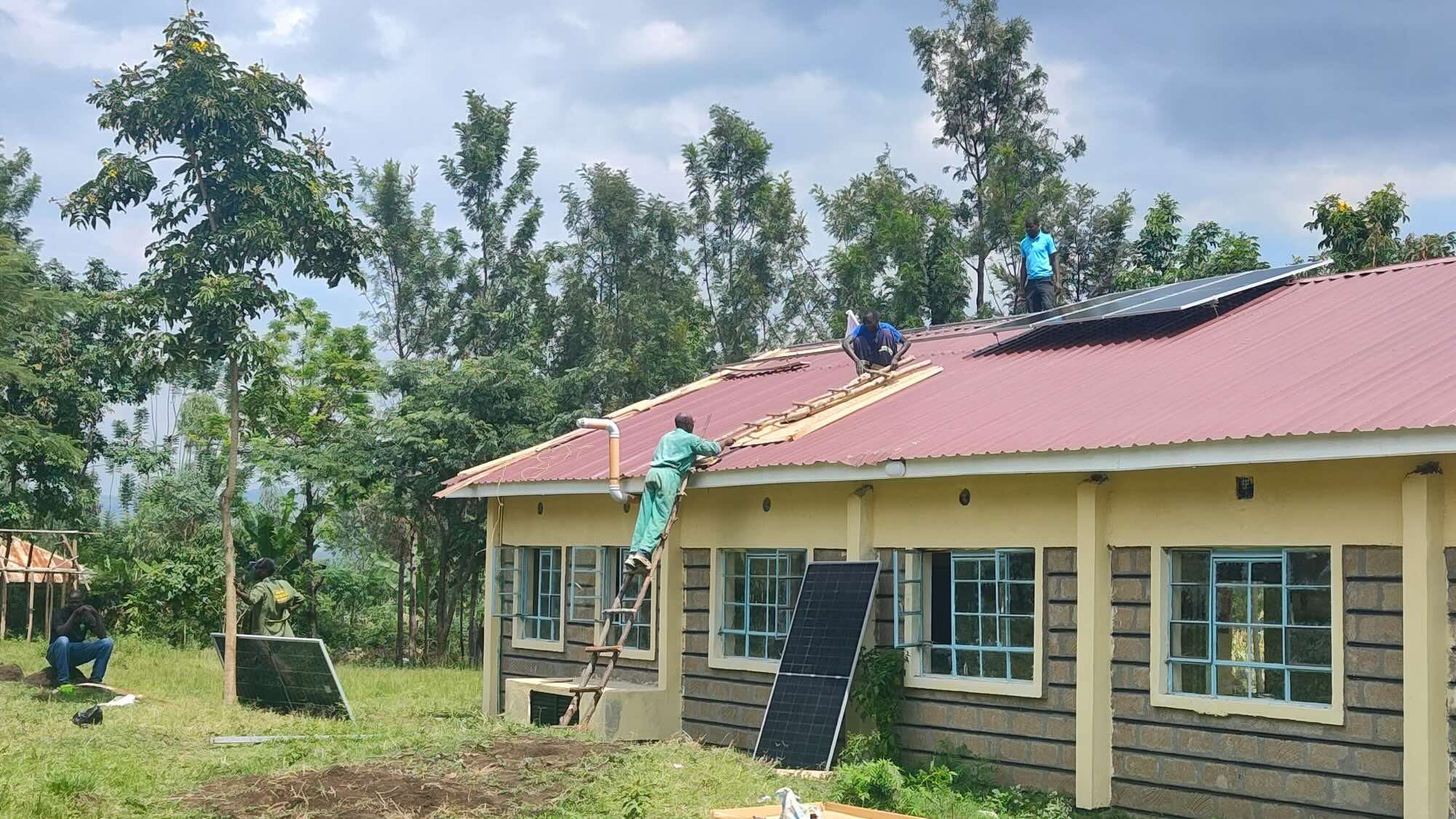
We began the project by installing solar panels. The vocational training partner Maristak Durango oversaw the installation of six panels and battery storage units at each of the three schools through local companies. Teachers and students participated in the installation process. This ensured both a reliable electricity supply as well as an understanding of how the technology works, so the schools would later be able to make small adjustments and repairs themselves. The youth were also provided with tablets.
What was the role of the ITB?
At the ITB, we focused on building digital competencies and developing new teaching methods. We specialize in vocational education research, the interactions between education and technology, and the use of digital media in vocational training. We held workshops in Homa Bay and Bremen for about 40 teachers from the participating schools. Many had limited prior experience with digital tools. They learned how to create, save, and share Word and Excel files, and how to make PowerPoint presentations.
Along with digital skills, we introduced a new teaching approach with less lecture-based instruction and more independent learning. We worked with teachers to develop digital learning and practice exercises that helped prepare students for job interviews. We also incorporated industry expectations for digital skills and future-ready competencies into these materials.
Rongo University in Kenya was a key project partner. Their local expertise was essential for many strategic and organizational aspects of the project. They have strong ties to both the Kenyan Ministry of Education and local schools, and they brought valuable insights into local educational structures. They also played a crucial role in practical matters, such as helping teachers apply for visas to attend training in Bremen.
What’s next for the project?
One of our main goals is to make the approaches we developed available to more schools. To support this, we created Digi-Cube – a local learning server where digital teaching and learning materials are stored. School students can access these resources from their tablets, allowing them to explore digital forms of learning. The idea is to enable easy access to digital teaching for additional schools.
We are also working to get the teacher training course officially recognized by the Kenyan Ministry of Education. If approved, Rongo University could offer the methods developed in the project to schools across the country.
I am very excited that the project has led to outcomes that go beyond just equipment. An unexpected benefit is that the schools have become community centers because of the solar panels. Parents now come to the schools to charge their devices. This creates new opportunities for interaction and helps strengthen connections between schools and parents.